Introduction
When it comes to home maintenance, roofing is often an afterthought. Most homeowners are more focused on interior upgrades and landscaping than the very roof above their heads. Yet, the roof plays a crucial role in protecting your home from the elements. Unfortunately, several myths and misconceptions about roofing can lead homeowners astray, causing unnecessary expenses and potential damage. This article will delve into the Common Myths About Roofing Debunked, providing insight and clearing up misconceptions that could save you both time and money.
Common Myths About Roofing Debunked
Roofing myths abound, often leading to poor decisions regarding maintenance and repairs. Some of these myths are based on outdated information or misunderstandings about materials and techniques. To help you navigate this complex landscape, let's explore some of the most prevalent myths surrounding roofing.

Myth 1: All Roofs Are Created Equal
Fact: Not all roofs are made from the same materials or have the same lifespan.
Many homeowners assume that all roofing materials provide the same level of protection and durability. However, this couldn't be further from the truth. Different materials—such as asphalt shingles, Visit the website metal, tile, or wood—offer varying levels of durability, longevity, and resistance to weather conditions.
Understanding Roof Types
- Asphalt Shingles: The most common roofing material in North America; typically lasts 15-30 years. Metal Roofing: Known for its longevity (up to 70 years) and energy efficiency. Tile Roofing: Provides excellent durability but can be costly upfront. Wood Shingles: Aesthetic appeal but requires regular maintenance.
Myth 2: You Can Install a New Roof Over an Old One
Fact: Installing a new roof over an old one can lead to issues down the line.
While it may seem like an easy way to save money, layering new shingles over old ones creates complications. The added weight can stress your home's structure and may not provide adequate ventilation—leading to moisture buildup and mold growth.
Why You Should Remove Old Shingles First
Structural Integrity: Ensures that your roof's structural components are sound. Ventilation: Allows for proper airflow which helps prevent moisture accumulation. Warranty Issues: Many manufacturers require a full tear-off for warranties to remain valid.Myth 3: DIY Roof Repairs Are Always Safe
Fact: DIY roofing can be dangerous if you're not experienced.
Many homeowners believe that they can tackle roof repairs themselves to save money. While minor fixes may be manageable, major repairs should always be left to professionals who understand safety protocols and have the right equipment.
Safety Risks Involved in DIY Roofing
- Falls from height Improper handling of tools Lack of knowledge about local building codes
Myth 4: A Leaky Roof Means You Need a Whole New Roof
Fact: Not all leaks require complete roof replacement.
A common misconception is that any leak signals doom for your entire roofing system. In reality, many leaks can be repaired without needing a full replacement if caught early enough.
How To Identify If Your Roof Needs Replacement or Repair
Assess the Source: Is it localized or widespread? Examine Age: How old is your roof? Check Condition: Look for missing shingles or significant wear.Myth 5: All Roofing Contractors Are Alike
Fact: Quality varies significantly among contractors.
Just like in any industry, there are reliable roofing contractors as well as those who cut corners or lack experience altogether. It's crucial to do your research before hiring anyone for roofing work.
What To Look For in a Reliable Roofing Contractor
- Licensing and insurance References from previous clients Written estimates with detailed breakdowns
Common Misconceptions About Roofing Materials
Myth 6: Metal Roofing Is Noisy During Rainstorms
Fact: Metal roofs are no noisier than other types when properly installed.
One myth that deters homeowners from choosing metal roofs is the belief that they will amplify rain sounds inside the home like a drum. However, with proper insulation and installation techniques, metal roofs can be just as quiet as asphalt shingle roofs during rainstorms.
Benefits of Metal Roofing Beyond Noise Levels
Longevity (often lasting decades longer than alternatives) Energy efficiency (reflects sunlight) Environmentally friendly (many options made from recycled materials)Myth 7: Darker Roofs Are Better for Energy Efficiency
Fact: The color of your roof impacts energy efficiency differently based on climate zones.
While dark roofs absorb heat—a benefit in cooler climates—it may lead to higher cooling costs in warmer areas where lighter colors are more efficient at reflecting sunlight.
Choosing Roof Color Based on Your Climate Zone
| Climate Zone | Recommended Roof Color | |---------------------|-----------------------| | Cool Climate | Darker Colors | | Warm Climate | Lighter Colors |
Myth 8: Roof Ventilation Isn't Necessary
Fact: Proper ventilation is essential for extending roof life.

Some homeowners believe that vents aren’t necessary if their roof appears sound; however, inadequate ventilation can lead to moisture buildup which causes wood rot and mold growth—shortening your roof's lifespan considerably!
Signs You May Need Better Ventilation
- Ice dams forming during winter Excessive attic heat during summer months
Common Myths About Flat Roofing
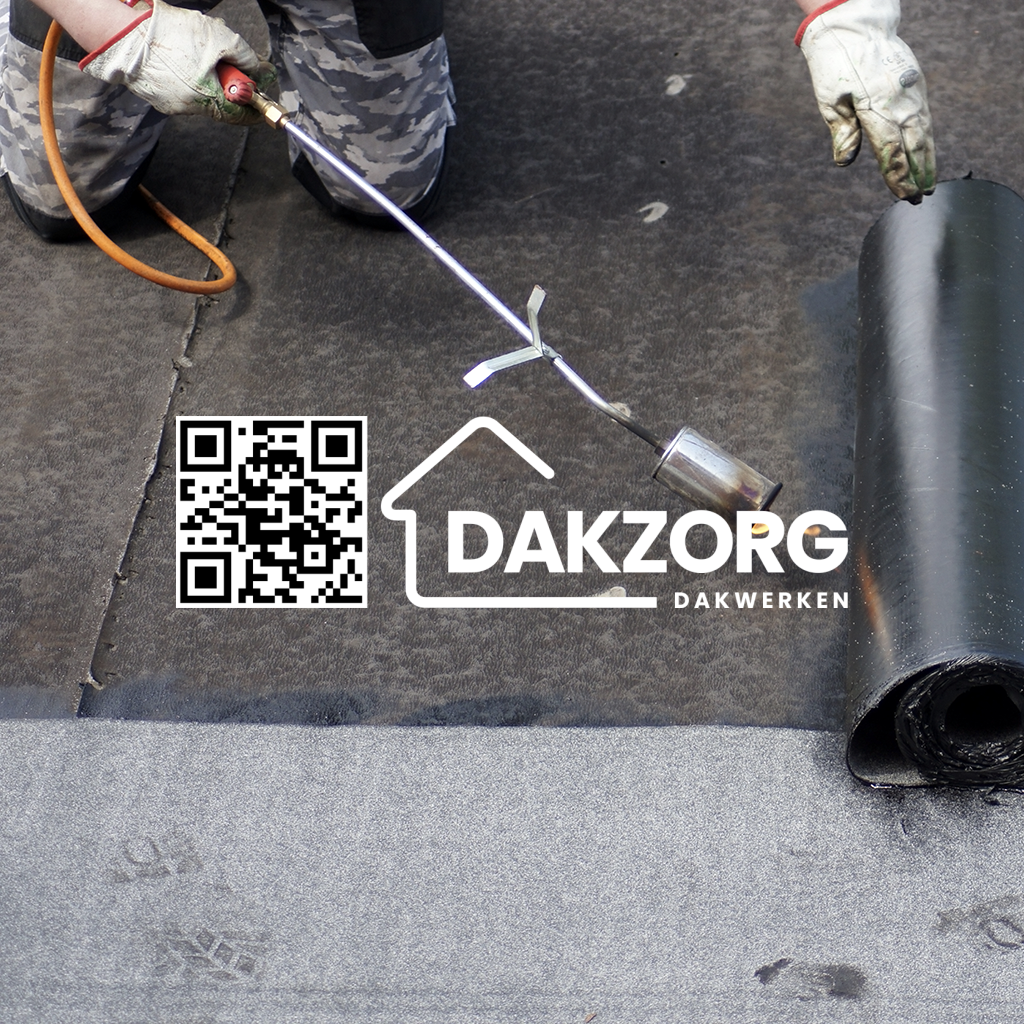
Myth 9: Flat Roofs Are Always Leak-Prone
Fact: Modern flat roofs use advanced technology making them much more reliable than older designs.
Flat roofs have come under scrutiny due to historical issues with leaks; however, advances in technology have led to improved materials such as TPO (Thermoplastic Polyolefin) membranes which offer better drainage solutions compared to traditional felt paper used in older constructions.
Benefits of Flat Roof Systems
Cost-effective installation Usable outdoor space (can serve as rooftop gardens) Easy access for maintenanceMyth 10: You Can't Install Anything on a Flat Roof
Fact: Many structures can safely exist on flat roofs with proper planning.
Homeowners often think that having a flat roof means you can't install anything atop it—like solar panels or HVAC systems—but with appropriate design considerations made by qualified professionals these features can coexist harmoniously!
Debunking Common Seasonal Myths
Myth 11: Winter Weather Doesn't Affect Your Roof
Fact: Snow accumulation can lead to serious issues if not managed properly.
Many people assume their roofs will withstand winter conditions without issue; however heavy snow load combined with ice build-up can create significant risk factors—including damage from ice dams blocking drainage paths!
Protecting Your Home From Winter Damage
1.Snow removal services available 2.Winterization checks prior cold temperatures arriving
The Role of Maintenance in Roofing Myths
Myth 12: Once Installed, A Roof Requires No Maintenance
Fact: Regular inspections and maintenance extend a roof’s lifespan significantly!
Another myth is that once you install a new roof there’s no need for upkeep; this couldn’t be more inaccurate! Regular inspections allow problems like leaks or wear-and-tear signs early on so they don’t escalate into larger issues requiring expensive repairs later down road!
Conclusion
In summary, understanding the various myths surrounding roofing helps homeowners make informed choices regarding their properties' maintenance needs while debunking common misconceptions allows them peace-of-mind knowing they're not falling victim misinformation! Whether it's choosing materials wisely or engaging reputable contractors—taking time educate yourself about these matters pays off long-term benefits!
Frequently Asked Questions (FAQs)
1. What should I do if I suspect my roof has a leak?
If you suspect leakage:
- Check your attic for signs Inspect shingles during daylight hours Contact a professional immediately if unsure
2. How often should I inspect my roof?
It’s advisable to inspect annually along with after severe weather events—to ensure everything remains intact!
3. Can I walk on my roof?
While some minor inspections might require walking on rooftops ensure safety precautions first; consider hiring professionals instead whenever possible!
4.Is it worth investing in high-quality materials?
Absolutely! Higher quality materials tend last longer ultimately saving costs over time when considering replacements/repairs needed less frequently overall!
5.What happens if I ignore maintenance recommendations?
Neglecting recommended upkeep leads increased likelihood major damage occurring potentially resulting costly repairs needing immediate attention later down line!
6.Can I choose any color shingle regardless climate zone implications?
It's generally recommended opt colors suited specific regional climates optimize energy efficiency within each scenario thereby enhancing comfort levels throughout property itself year-round!
This comprehensive exploration of the topic aims not only at dispelling myths but also empowering readers through knowledge so they feel confident managing one critical aspect homeownership—their rooftop sanctuary!